
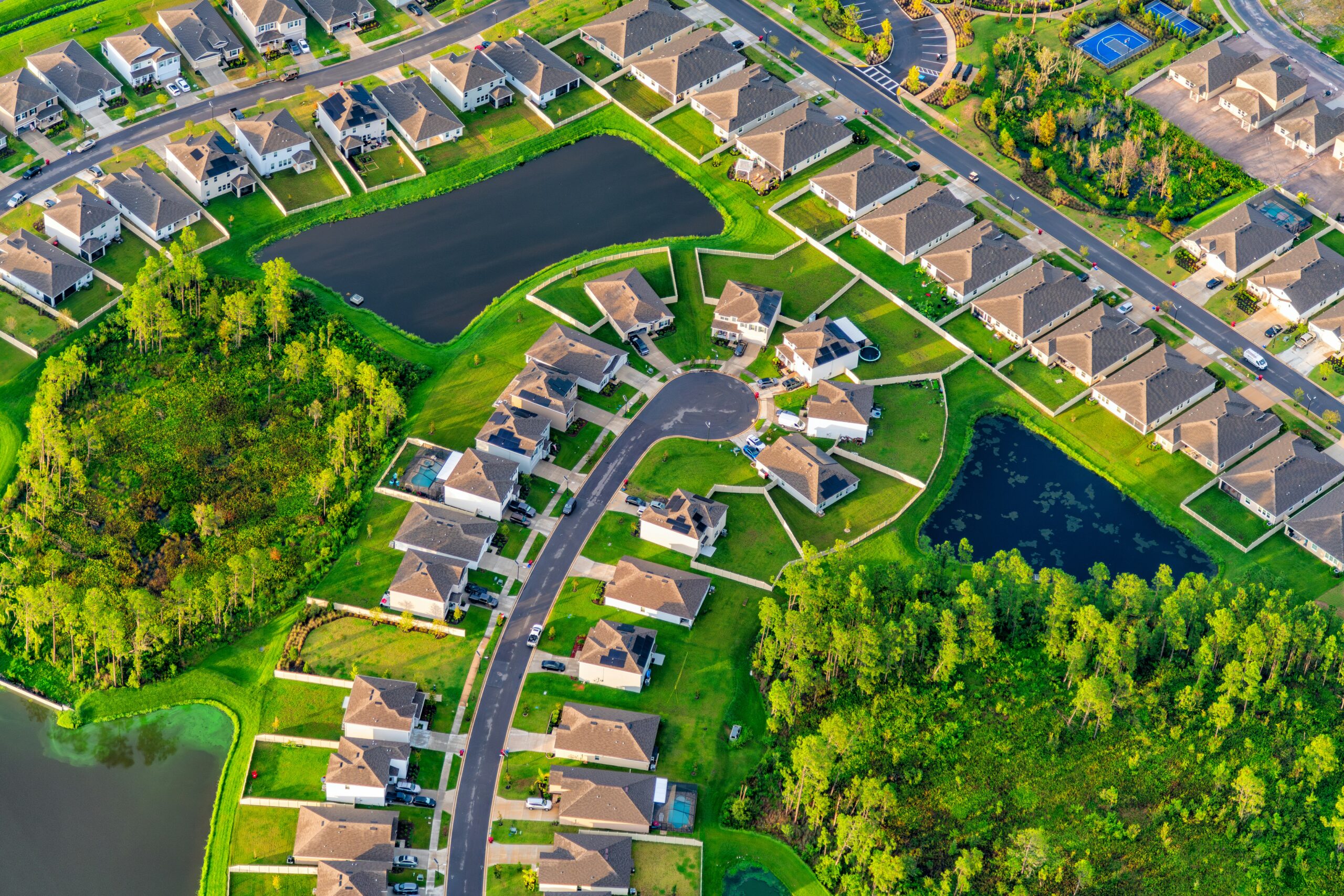
Real estate development is changing as people’s lifestyles, work patterns, expectations, and priorities continue to evolve.
A modern property is no longer judged solely by its size or appearance. People increasingly want spaces that are functional, comfortable, secure, efficient, and capable of adapting to different aspects of everyday life.
For developers and property companies, this creates an important responsibility: to build properties that respond to today’s needs while remaining relevant for the future.
The Changing Meaning of Modern Living
The way people use their homes and commercial spaces has changed significantly.
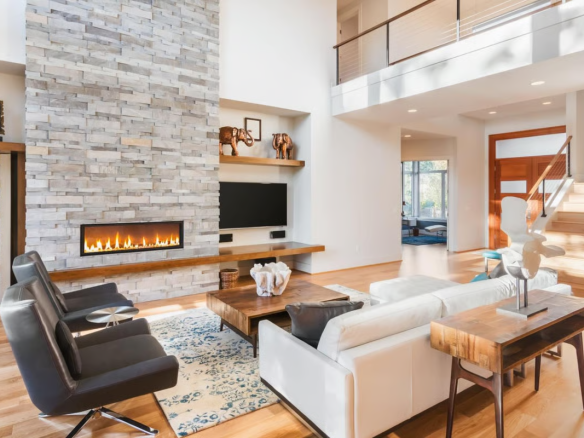
For many households, a home may now function as a place to live, work, relax, entertain, and spend time with family. This has increased the demand for flexible spaces that can accommodate different activities.
Modern residential developments may therefore include dedicated work areas, multipurpose rooms, outdoor spaces, improved storage, entertainment areas, and carefully planned communal facilities.
The objective is not simply to make a property larger. It is to make the available space more useful.
Functionality and Design Should Work Together
Good property development requires a balance between appearance and functionality.
Architectural design should create attractive spaces while ensuring that rooms are practical and comfortable to use.
Natural lighting, ventilation, movement between spaces, storage, privacy, and accessibility are all important considerations.
A visually impressive building that is difficult to use may not provide the same long-term satisfaction as a property where design and functionality have been carefully integrated.
Energy Efficiency and Sustainable Construction
Sustainability is becoming increasingly important in modern property development.
Energy-efficient lighting, appropriate building orientation, natural ventilation, efficient appliances, water management systems, and durable materials can help reduce operating and maintenance costs.
Sustainable construction does not necessarily mean sacrificing comfort or appearance. Instead, it involves making thoughtful decisions that improve the long-term performance of the property.
For developers, sustainable practices can also contribute to the attractiveness and competitiveness of properties in an increasingly environmentally conscious market.
Technology in Modern Properties
Technology is becoming a natural part of modern buildings.
Smart security systems, automated lighting, controlled access, surveillance systems, energy monitoring, and modern communication infrastructure can improve convenience and security.
As technology continues to advance, properties designed with adaptable infrastructure can be better positioned to accommodate new systems in the future.
This is particularly important for developments intended to remain competitive for many years.
Security as a Core Consideration
Security is an essential part of property development.
A modern property should consider security from the earliest stages of planning rather than treating it as an afterthought.
Depending on the type and location of the development, this may involve controlled access, appropriate lighting, perimeter protection, surveillance systems, secure parking, and well-planned entrances and exits.
The goal is to create an environment where occupants can feel comfortable and protected.
Building for Community
Modern property development can also contribute to stronger communities.
Residential estates, mixed-use developments, and commercial projects can incorporate shared spaces that encourage interaction and provide useful amenities.
Landscaped areas, recreational spaces, walkways, communal facilities, and thoughtfully planned public areas can improve the overall experience of a development.
Good development considers not only individual buildings but also how those buildings interact with the people and environment around them.
Quality Construction Creates Long-Term Value
A modern appearance is important, but lasting quality remains fundamental.
Strong structural design, appropriate materials, skilled workmanship, proper installation, and ongoing maintenance all contribute to the durability of a property.
Cutting corners during construction can lead to higher maintenance costs and reduced performance later.
For this reason, quality control should remain an important part of every stage of development.
Designing With the Future in Mind
The best properties are designed with tomorrow in mind.
Changes in technology, family structures, work patterns, transportation, environmental standards, and consumer expectations can all influence how properties are used in the future.
Flexible layouts, adaptable infrastructure, durable materials, and thoughtful planning can help properties remain useful and attractive as circumstances change.
Our Approach to Property Development
At Sarles Investments Limited, we believe property development should combine thoughtful design, quality construction, strategic planning, and a clear understanding of the people who will use each space.
Whether developing a private residence, residential community, commercial property, or larger real estate project, our focus is on creating properties that are functional, attractive, durable, and capable of delivering lasting value.
We approach each project with attention to detail, from the initial concept and planning stages through construction and completion.
Conclusion
Modern real estate development is about more than constructing buildings. It is about creating environments that support the way people live, work, and interact.
By combining functionality, quality, sustainability, technology, security, and thoughtful design, property developers can create spaces that remain valuable and relevant long after construction is completed.
At Sarles Investments Limited, our goal is to contribute to a built environment where quality property is not simply constructed, but carefully planned and developed with the future in mind.
Disclaimer: This article is provided for general informational purposes and does not constitute architectural, engineering, legal, or financial advice. Specific property and construction decisions should be made with appropriately qualified professionals.

Join The Discussion