
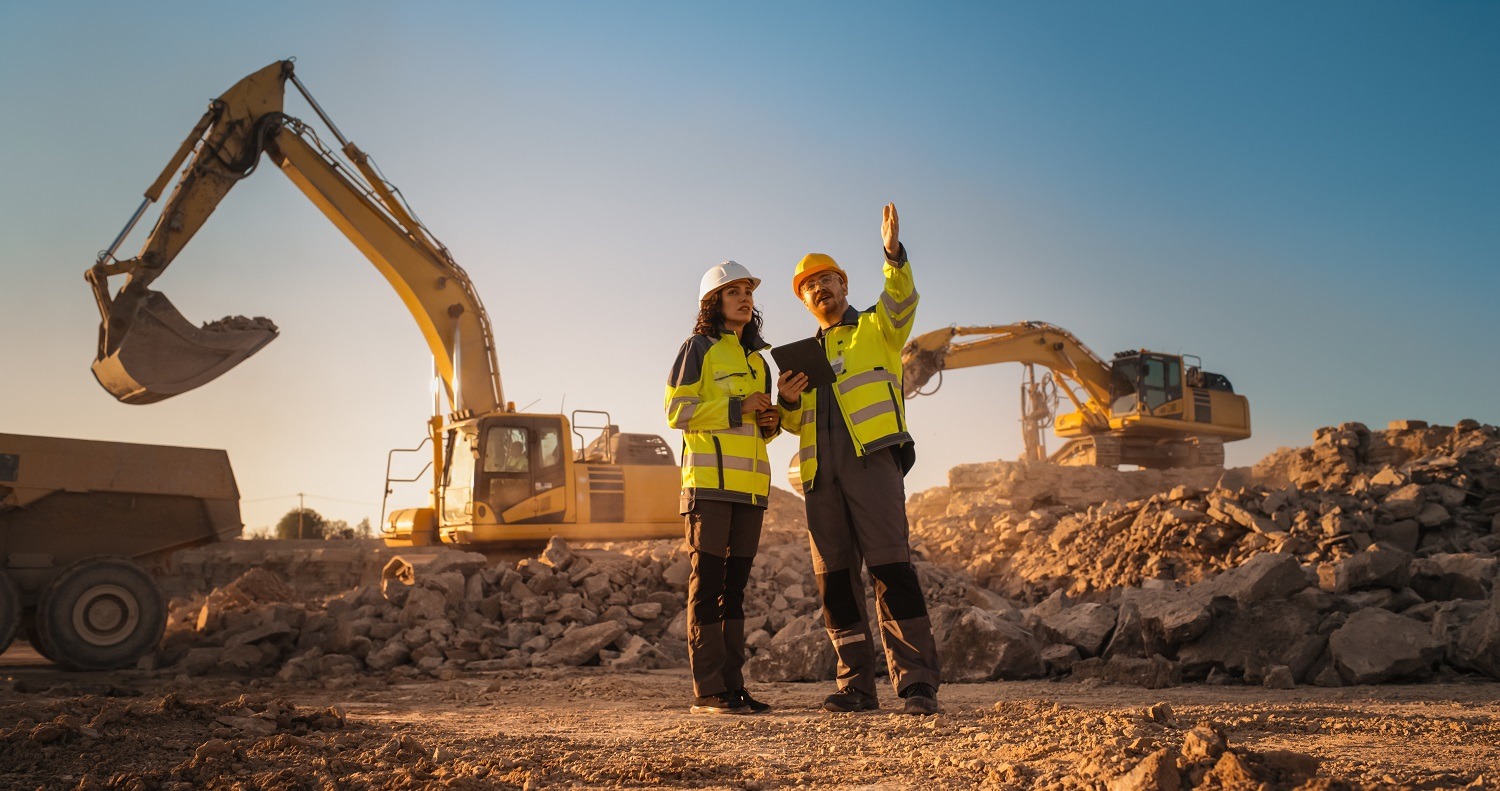
Every completed property has a story that begins long before the first wall is constructed. What eventually becomes a home, commercial building, or residential development is the result of careful planning, design, engineering, construction, coordination, and quality control.
Understanding the different stages of property development provides a better appreciation of the work involved in transforming an idea into a completed property.
Stage One: Identifying the Opportunity
The development journey begins with identifying a suitable property opportunity.
For a residential project, this may involve selecting land in a location with appropriate access, infrastructure, security, and development potential.
For larger projects, developers may also consider population trends, market demand, surrounding developments, planning requirements, and the potential use of the site.
The objective is to establish whether the location and property opportunity are suitable for the intended development.
Stage Two: Site Assessment and Due Diligence
Before construction begins, the property and site should be carefully assessed.
This process may involve reviewing ownership documentation, site conditions, planning requirements, accessibility, utilities, drainage, and other factors that could influence the project.
Professional surveys and technical assessments can provide valuable information for architects and engineers during the design process.
Proper due diligence can help identify potential challenges early and reduce unnecessary complications later.
Stage Three: Planning and Design
Once the development opportunity has been established, the project moves into planning and design.
Architects and other professionals develop concepts that consider the purpose of the property, available space, functionality, aesthetics, safety, and applicable requirements.
For a residential property, this could include the number and arrangement of bedrooms, living spaces, kitchens, bathrooms, parking areas, outdoor spaces, and future expansion possibilities.
Good design balances appearance with practical use.
Stage Four: Preparing for Construction
Before physical construction begins, the project must be properly organized.
Materials, labor, equipment, schedules, contractors, and other resources need to be coordinated.
A clear construction plan helps establish responsibilities, timelines, quality expectations, and project milestones.
This stage is important because effective preparation can reduce delays and improve coordination once construction begins.
Stage Five: Construction
Construction transforms the approved plans into a physical property.
Depending on the project, this may involve site preparation, foundation work, structural construction, roofing, electrical installations, plumbing, windows and doors, internal finishes, external works, and landscaping.
Each stage depends on the quality of the work completed before it.
This is why proper supervision and coordination are essential throughout construction.
Stage Six: Inspection and Finishing
As construction approaches completion, the property undergoes detailed inspections and finishing activities.
This is the stage where issues identified during inspections can be addressed and final installations completed.
Painting, flooring, lighting, fixtures, landscaping, external works, and other details help bring the development together.
The final result should reflect both the original design and the quality standards established at the beginning of the project.
Stage Seven: Completion and Handover
Once the required work has been completed and the property has undergone appropriate checks, it can move toward completion and handover.
For a private home, this may be the point where the owner takes possession and begins using the property.
For a larger development, the process may involve multiple units, facilities, tenants, owners, or ongoing property management requirements.
The Importance of Professional Development
Every stage of property development requires careful attention.
A mistake during planning can affect construction. Poor construction decisions can increase maintenance requirements. Inadequate coordination can cause delays and additional costs.
Professional project management helps bring the different elements together and keeps the development focused on its intended objectives.
Building With Purpose
At Sarles Investments Limited, we understand that property development is a process that requires more than construction expertise.
It requires vision, planning, attention to detail, quality control, and an understanding of the people who will ultimately use the property.
From the initial property opportunity to the final completed space, our goal is to approach each project with professionalism and a long-term commitment to quality.
Conclusion
From an empty site to a completed home or development, property construction involves many stages, decisions, and professionals working together.
The strongest projects are those where each stage receives the attention it deserves.
With proper planning, quality construction, professional management, and a clear vision, a property development project can become more than a completed structure. It can become a lasting asset designed to serve its purpose for many years to come.
At Sarles Investments Limited, we are committed to turning property opportunities into carefully planned and professionally developed spaces that people can be proud to call home or business.



Join The Discussion