

The property industry is constantly changing. New technologies, changing lifestyles, population growth, infrastructure development, environmental considerations, and evolving expectations are influencing the way homes and commercial properties are designed and developed.
For property developers, understanding these changes is important because today’s decisions can determine whether a property remains attractive, functional, and competitive in the years ahead.
At Sarles Investments Limited, we believe successful property development requires not only understanding today’s market but also anticipating how people’s needs may evolve.
The Demand for Better-Designed Homes
Homebuyers are increasingly looking beyond basic accommodation.
People want properties that provide comfort, convenience, privacy, security, functionality, and attractive surroundings.
This has encouraged developers to pay greater attention to floor plans, natural lighting, ventilation, storage, outdoor areas, parking, security, and communal facilities.
The modern home is becoming a more flexible environment designed to support multiple aspects of everyday life.
Flexible Spaces Are Becoming More Important
The way people use properties continues to change.
A room that was once used exclusively as a bedroom or guest room may now need to function as a home office, study area, entertainment space, or multipurpose room.
Flexible layouts allow occupants to adapt their homes without requiring major renovations.
For developers, this means considering how spaces can serve different purposes throughout the property’s lifespan.
Technology Is Becoming Part of the Property
Technology is increasingly being incorporated into residential and commercial developments.
Modern properties can include features such as:
- Smart security systems
- Automated lighting
- Controlled access
- Surveillance systems
- Energy monitoring
- Smart appliances
- High-speed internet infrastructure
These features can improve convenience, security, and operational efficiency.
As technology continues to evolve, properties with adaptable infrastructure may be better positioned to accommodate future upgrades.
Energy Efficiency and Sustainability
Energy efficiency is becoming an increasingly important consideration in property development.
Efficient lighting, natural ventilation, appropriate building orientation, energy-conscious appliances, water management, and durable materials can help improve the long-term performance of a property.
Sustainable construction can also contribute to lower operating and maintenance requirements.
Developers are increasingly considering sustainability not simply as an environmental issue but as part of creating better-performing properties.
Growth of Mixed-Use Developments
Mixed-use developments combine different property uses within the same development or surrounding area.
These may include residential units alongside retail spaces, offices, hospitality facilities, recreational areas, or other services.
Such developments can provide greater convenience by allowing people to live, work, shop, and access services within a relatively connected environment.
When properly planned, mixed-use developments can also contribute to more active and economically productive communities.
The Continued Importance of Infrastructure
Infrastructure remains a major factor in determining the attractiveness of a property location.
Road networks, electricity, water, drainage, telecommunications, transportation, and other services influence both the usability and long-term potential of developments.
Areas experiencing infrastructure improvements may attract increased residential and commercial activity.
For property developers, understanding infrastructure trends can therefore be an important part of site selection and development planning.
Security Remains a Priority
Security continues to influence property decisions, particularly within residential developments.
Modern developments may incorporate controlled entrances, surveillance systems, perimeter security, lighting, access management, and carefully planned layouts.
Security considerations should be integrated into the design from the beginning rather than added after construction.
The Rise of Community-Focused Development
People increasingly value the environment surrounding their homes as much as the buildings themselves.
Residential developments can benefit from well-designed green areas, walkways, recreational spaces, communal facilities, landscaping, and other features that encourage a stronger sense of community.
A development should ideally create an environment where residents feel comfortable not only inside their homes but also within the wider neighborhood.
Quality Over Short-Term Construction
The long-term performance of a property depends heavily on the quality of its construction.
Developers who prioritize appropriate materials, skilled workmanship, proper engineering, quality control, and professional project management can create properties that are better equipped to withstand everyday use and changing conditions.
While construction costs are important, decisions should also consider durability, maintenance, and long-term value.
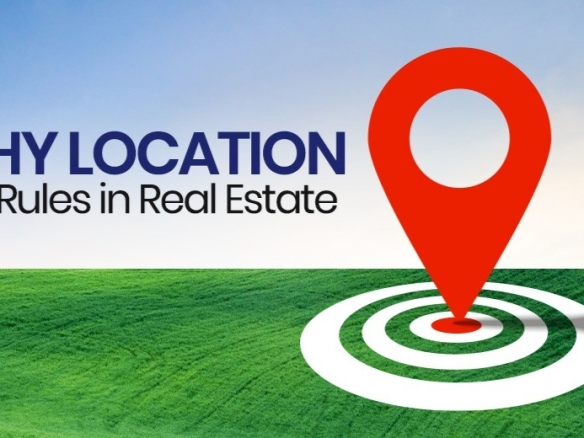
The Importance of Location
Despite technological and design changes, one principle remains fundamental to real estate: location matters.
Accessibility, surrounding infrastructure, population growth, commercial activity, security, and future development can all influence the attractiveness of a property.
Understanding the direction in which a location is developing can help property developers make more strategic decisions.
Looking Toward the Future
The future of property development will likely continue to involve greater integration of technology, sustainability, flexible design, quality infrastructure, and community-focused planning.
However, the fundamental principles of good development will remain the same: understand the market, select appropriate locations, plan carefully, build responsibly, and create properties that genuinely serve their intended users.
Sarles Investments Limited
At Sarles Investments Limited, we recognize that property development is a long-term responsibility.
Our focus is on creating homes and properties that combine thoughtful planning, quality construction, practical design, and lasting value.
We aim to approach each development with an understanding of both present needs and future possibilities, ensuring that the properties we create remain useful and relevant as their communities evolve.
Conclusion
Real estate will continue to change as technology, lifestyles, infrastructure, and economic conditions evolve.
The developers best positioned for the future will be those who understand these changes while remaining committed to the fundamentals of quality property development.
By combining innovation with sound planning and professional construction, the property industry can continue to create spaces that improve the way people live, work, and interact.
At Sarles Investments Limited, we remain committed to developing properties with a long-term vision — creating spaces that are not only suitable for today, but prepared for the needs of tomorrow.
Disclaimer: This article is provided for general informational purposes and does not constitute architectural, engineering, financial, legal, or property investment advice. Specific property decisions should be made with appropriately qualified professionals.

Join The Discussion