
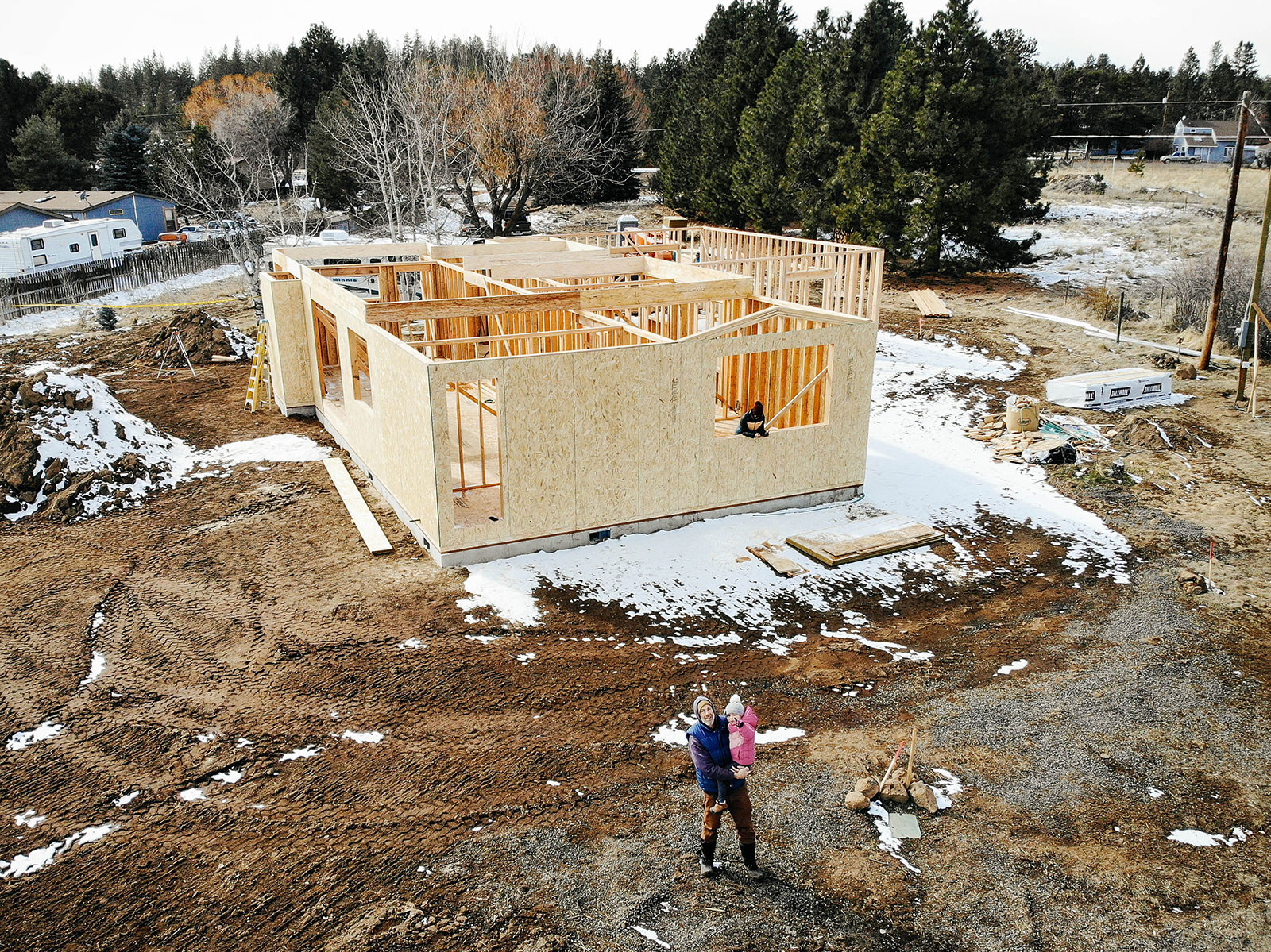
Purchasing land is often the first major step toward building a home, developing a residential estate, or creating a commercial property. However, buying a piece of land is not simply a matter of finding an attractive location and agreeing on a price.
The land must be suitable for the intended development, properly documented, accessible, and capable of supporting the proposed project. A decision made at this early stage can have a significant impact on the success, cost, and long-term value of the entire development.
At Sarles Investments Limited, we believe that careful planning begins before construction starts. Understanding the land, its location, documentation, physical characteristics, and development potential is essential to making a sound property decision.
Start With the Intended Purpose
Before purchasing land, determine exactly what you want to use it for.
A plot intended for a private family home may have very different requirements from land intended for apartments, commercial buildings, warehouses, or a larger residential development.
The intended use can influence the size of land required, location, accessibility, planning requirements, infrastructure, and overall development cost.
Having a clear purpose from the beginning helps ensure that the property is suitable for the project you have in mind.
Location Should Be Carefully Evaluated
Location remains one of the most important considerations when purchasing land.
Consider the accessibility of the property, the quality of surrounding roads, proximity to important facilities, security, existing developments, and the general direction of growth in the area.
It is also useful to examine what is happening around the property.
Are new roads being constructed?
Are residential developments increasing?
Are commercial activities expanding?
Are schools, hospitals, shopping centers, or other facilities being developed nearby?
These factors can help provide a better understanding of the area’s future potential.
Verify Ownership and Documentation
One of the most important steps before purchasing land is confirming that the seller has the legal right to transfer the property.
Relevant documentation should be carefully reviewed and verified through appropriate professional and official channels.
Depending on the location and circumstances, documentation may include title documents, surveys, planning information, allocation documents, or other relevant records.
Property buyers should avoid relying solely on verbal assurances. Proper due diligence can help reduce the risk of disputes, fraudulent transactions, or unexpected legal complications.
Conduct a Proper Site Survey
A site survey provides important information about the boundaries, dimensions, and physical characteristics of the property.
It can help establish whether the land being purchased corresponds with the documentation and whether there are potential boundary issues.
A professional survey can also provide information that is useful to architects and engineers when developing the building design.
Understand the Physical Condition of the Land
Not every piece of land is equally suitable for every type of construction.
The physical characteristics of a site can influence the design and cost of development.
Factors such as soil conditions, elevation, drainage, accessibility, vegetation, and the surrounding terrain may all need to be considered.
In some situations, additional site preparation or engineering work may be required before construction can begin.
Understanding these conditions early allows developers and property owners to plan their budgets more realistically.
Check Infrastructure and Accessibility
Before purchasing land, consider the availability of essential infrastructure.
Access to roads, electricity, water, telecommunications, drainage, and other services can significantly influence the practicality and cost of development.
If certain services are not currently available, it is important to understand what alternatives may be possible and what additional costs may be involved.
Consider Future Development
A piece of land should be evaluated not only according to what exists today but also according to what may happen in the future.
New infrastructure, population growth, commercial activity, and residential expansion can transform an area over time.
At the same time, future developments can sometimes create challenges, so it is important to understand the broader development plans for the surrounding area where possible.
Plan the Development Before Construction
Once the land has been properly evaluated and acquired, the next step should be thoughtful planning.
Architectural design, engineering requirements, project budgets, construction schedules, approvals, materials, and other elements should be considered before significant construction begins.
A clear development plan can help reduce unnecessary changes and improve coordination throughout the project.
The Importance of Professional Guidance
Land acquisition and development involve legal, technical, financial, and construction considerations.
Working with qualified professionals can help property owners make better-informed decisions and identify potential issues before committing significant resources.
At Sarles Investments Limited, we understand that successful property development begins with making the right decisions at the beginning of the journey.
Conclusion
Buying land can be an exciting step toward creating a home or developing a valuable property, but it should never be approached casually.
Location, documentation, accessibility, physical conditions, infrastructure, development potential, and intended use should all be carefully evaluated.
With proper due diligence and professional planning, land can become the foundation for a successful property development project.
Disclaimer: This article is provided for general informational purposes only and does not constitute legal, surveying, engineering, financial, or property advice. Appropriate professionals should be consulted before purchasing or developing land.




Join The Discussion